
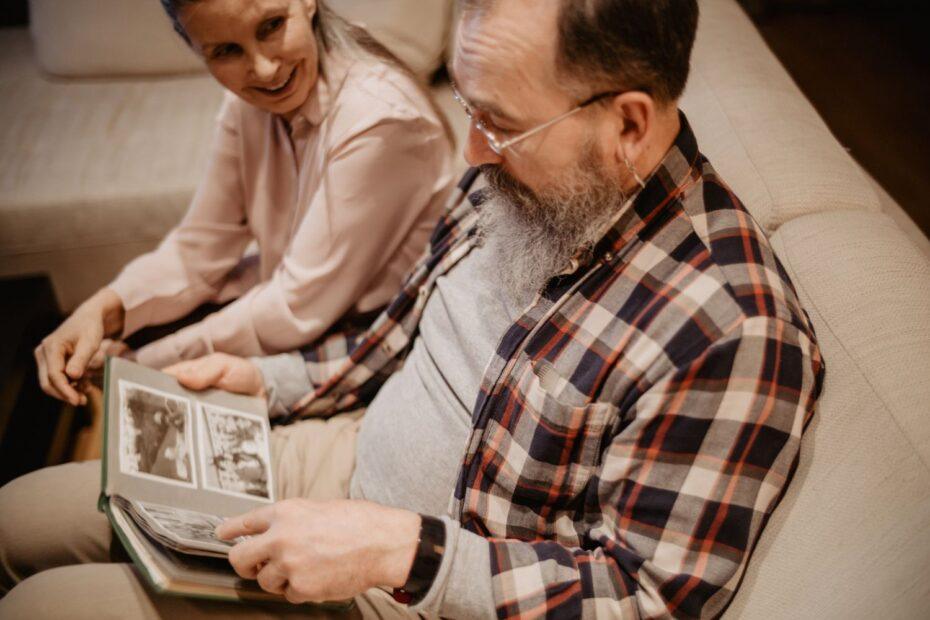
The Unseen Architect: How Past Experiences Influence Present Behavior
Your personal history is not merely a collection of memories; it is an active force that shapes your beliefs, values, emotional responses, and expectations. For anyone in a relationship, recognizing that your partner's past experiences—from childhood to previous relationships—continue to echo in their present behavior is a crucial step toward deeper understanding. These formative events can influence how trust is built, how conflicts are managed, and how affection is expressed. For instance, a history of abandonment might lead someone to seek constant reassurance, while past betrayals could manifest as heightened vigilance or difficulty in fully opening up. Acknowledging these influences without judgment allows for greater empathy and patience.
Unpacking Personal Narratives: The Value of Sharing
Openly discussing past experiences, when done with mutual respect and readiness, can be incredibly illuminating. It's not about rehashing old hurts for the sake of it, but rather about providing context for who your partner is today. This sharing can involve significant life events, family dynamics, past relationships, and even smaller, recurring patterns that have left an imprint. The goal is to foster a sense of shared understanding, allowing each person to see the origins of certain reactions or perspectives. When partners feel safe to share their personal narratives, it creates a foundation of trust and vulnerability, which are essential for a strong and lasting bond. This process requires active listening and a commitment to hearing your partner’s story from their point of view.
Building Empathy Through Shared Understanding
Empathy is the cornerstone of a thriving relationship, and understanding your partner's history is a powerful catalyst for its growth. When you grasp the 'why' behind certain behaviors or emotional responses, it becomes easier to respond with compassion rather than frustration or confusion. For example, knowing that your partner grew up in a household where financial stability was precarious might explain their current cautiousness with money, even if you have different habits. This insight shifts the perspective from a perceived flaw to a understandable coping mechanism developed over time. By actively seeking to understand the roots of your partner's experiences, you can foster a more supportive and accepting environment where both individuals feel truly seen and valued.
Navigating Triggers and Past Wounds
All individuals have triggers – situations or comments that can evoke strong emotional responses rooted in past experiences. Recognizing these triggers in your partner, and in yourself, is vital for navigating challenges constructively. Instead of viewing a trigger as an overreaction, it can be seen as an opportunity for healing and growth. When a partner’s past wounds are inadvertently touched upon, the response might be disproportionate to the current situation. Approaching these moments with sensitivity, offering support, and creating a safe space for your partner to process their feelings can be profoundly healing. This doesn't mean excusing harmful behavior, but rather understanding its origins to address it more effectively together. The focus remains on collective growth and strengthening the relationship's resilience.
Integrating the Past for a Stronger Present Connection
Ultimately, the objective is not to dwell in the past, but to integrate its lessons and impacts into a more robust present connection. By understanding how history shapes your partner's present, you can approach interactions with greater insight, patience, and compassion. This journey of mutual discovery can transform potential points of friction into opportunities for deeper intimacy and connection. It reinforces that a relationship is a dynamic entity, constantly evolving with the contributions and histories of both individuals. Embracing each other's past, with all its complexities, is an investment in a more secure and fulfilling future together.
Related reading